
Carving Silence: The Quiet Power of Controlled Disconnection
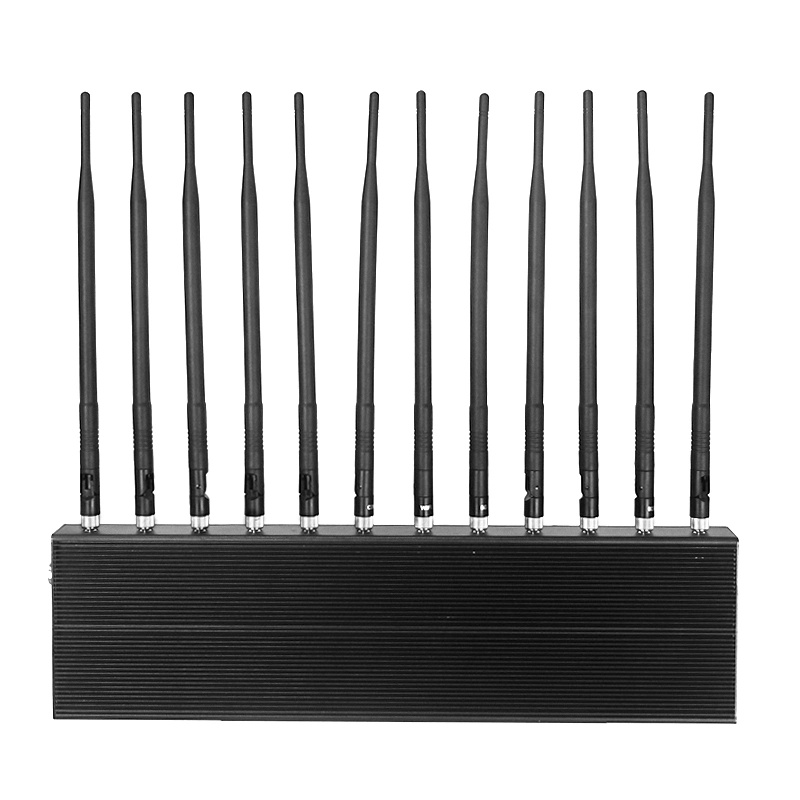
There are spaces where silence isn't just welcome — it's essential.
A closed door is no longer enough. In homes, offices, and even vehicles, invisible currents of data swirl around us. Each signal — a call, a ping, a location sync — is a thread pulling us outward, often without consent. Somewhere along the way, silence became something we must engineer.
But what does that silence look like? And how do we claim it, on our terms?
The Anatomy of a Signal-Free Space
Before wireless came dominance.
The average room today is a hub of signals: mobile, Wi-Fi, GPS, Bluetooth, RFID. Most people don't realize how thick the air has become. We open laptops, pick up phones, and ride in cars that transmit our position every second.
For those seeking stillness — not metaphorical, but technical — this is the terrain that must be shaped. To be unreachable is not laziness. It's architecture.
That's where targeted signal control becomes more than a tool. It becomes intention.
Not About Blocking. About Defining.
To “block” is a blunt word. What high-precision signal interference actually does is far more subtle: it defines what can and cannot cross a boundary.
For instance:
- In a room where strategic meetings happen, the question is not how loud people talk, but how far the conversation travels.
- In a retreat home, the value is not just peace and quiet, but freedom from digital reach.
- In a vehicle carrying sensitive cargo — human, intellectual, or emotional — the journey is safer without a breadcrumb trail.
In all of these, the ability to exclude a frequency is a form of authorship. You decide what enters the air.
Why Passive Silence Fails ?
Airplane mode, Do Not Disturb, turning off Wi-Fi — these are polite requests to the system. But they rely on cooperation. Your device must obey. Others' devices must agree.
Modern jamming technology doesn't ask. It asserts.
And yet, the point is not aggression — it's refinement. A true signal jammer doesn't black out everything like a sledgehammer. It selects. It shapes the space. It creates a perimeter not by walls, but by silence.
The New Minimalism: Not Less Stuff, but Less Signal
Digital minimalism is often framed as deleting apps, escaping screens. But real minimalism lies in shaping what surrounds you when the devices are off.
A signal-free zone is not just a quiet space. It's a space under your jurisdiction.
- A space where meetings happen and don't leak.
- A room where your phone doesn't listen — not because you trust it, but because it can't.
- A place where time stretches a little longer, because no alerts collapse it.
This is not anti-technology. This is using technology to limit the noise that other technologies bring.
So Why a Signal Jammer?
Because sometimes, no other tool gives you such direct authorship over your environment.
You don't have to be a security expert. You don't need a bunker. All you need is a device that reclaims your space, band by band.
Whether you want to silence GPS tracking during a private drive, neutralize Wi-Fi in a retreat cabin, or shut down phone reception during a creative session, the principle is the same:
Control the air, or be subject to it.
Signal Silence Is Not Paranoia. It's Design.
The most thoughtful spaces are not just beautiful. They are deliberate.
Just as light can be dimmed and soundproofing installed, signals can be shaped, muted, refined. And just as we once built fences and closed curtains, we now create invisible perimeters through bandwidth.
That's not extreme. That's modern.
