
Reclaiming Silence: The True Purpose of Signal Interruption
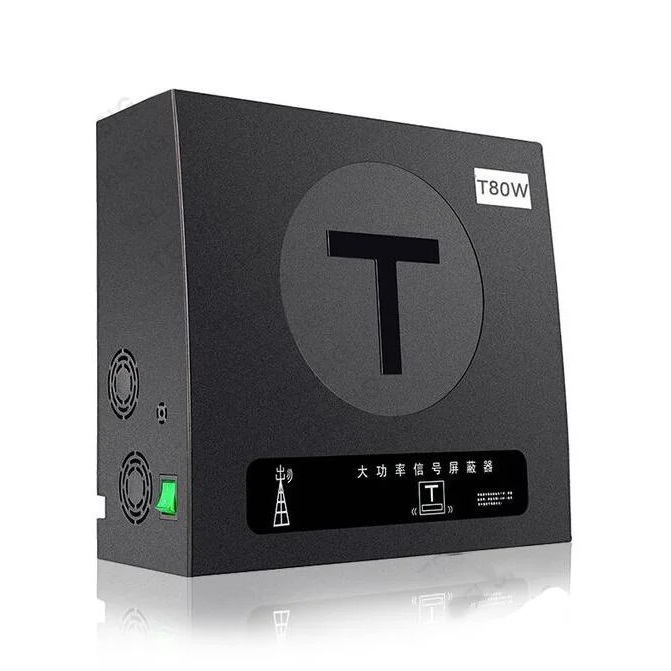
In a world where communication has no pause button, the idea of disrupting a signal feels almost offensive. But what if the constant stream of connectivity was the actual offense? Not all disruption is destructive. Sometimes, it's the beginning of clarity.
We live surrounded by invisible wires—an endless lattice of data crossing every square inch of our lives. What used to be physical territory has become a battlefield of digital presence. Who owns the air around you when everyone is broadcasting into it?
The Right to a Signal-Free Space
There's no constitutional clause for it. No moral slogan. Yet the right to disconnection is quietly becoming essential. Think of it less as restriction, and more as permission: permission to be fully present, to work without noise, to think without surveillance.
In spaces of strategy, like private boardrooms or war rooms of invention, Jamming devices aren't weapons—they are guardians of thought. They don't block conversation; they defend it from leakage. The silence they create isn't emptiness—it's a container. For focus. For risk. For trust.
When Stillness Is a Competitive Edge ?
Productivity has never been about speed alone. True efficiency is attention shaped with intent. And yet today, even the sharpest minds are dulled by digital drift: a screen lighting up in the corner of the eye, a ping slicing through a line of thought.
Signal jammers return control to the room. Not control over people—but over the rhythm of the environment. They reassert a simple but forgotten truth: deep work requires deep silence.
The Ethical Line Few Talk About
The conversation around Jammer blocker often stalls at legality—as if the only question is “Can you?” when the real question is “Why must you?”
It's not about blocking emergency calls. It's not about authoritarianism. It's about design. There are moments in space—testing centers, hospitals, correctional facilities, even spiritual retreats—where open frequencies equal open risk. Not theoretical risk. Practical, daily, invisible risk. The kind that leaks data, breaks focus, or undermines fairness. To learn more, we recently wrote an article about "How Computers Can Be Used to Gather Information — And Why It's a Growing Risk.
No one should have to negotiate with noise while trying to save lives, protect information, or sit an honest exam.
Technology That Listens Before It Silences
Modern blockers don't spray static across the spectrum. The best ones are surgical—targeted, quiet, aware. Directional antennas, narrow frequency bands, adjustable strength: these are not tools of censorship. They're instruments of balance.
The sophistication of today's signal management devices isn't about brute force. It's about precision and intent. Mobile signal Jammer doesn't shout louder than the signal—it redesigns the room so the signal no longer applies.
Not Anti-Connectivity — But Pro-Choice
There is power in being unreachable. In knowing that your space is yours. In choosing when—and how—your devices interact with you.
We've accepted always-on life too quickly. But the freedom to speak must include the freedom to stay quiet. A jammer simply holds open that door. For the brief moment when silence is more valuable than access.
Not everyone will understand the need for signal interruption. But then again, not everyone is in rooms where undistracted attention could save a life, protect a patent, or make the difference between thinking clearly and drowning in noise.
And maybe that's the real signal worth protecting.
