
How Exam Room Mobile Jammers Are Redefining Secure Testing Spaces ?
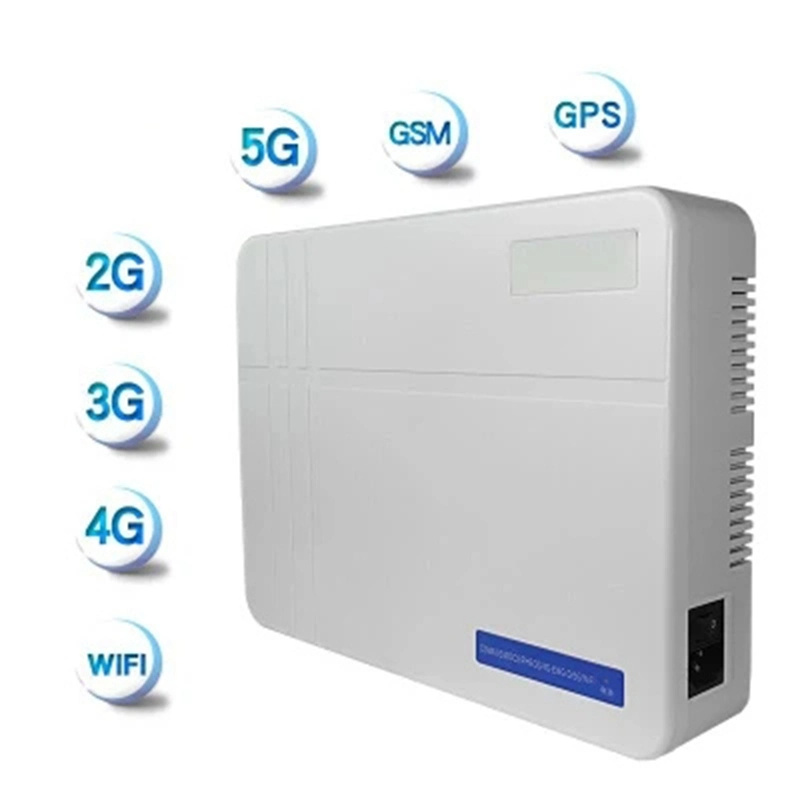
Exams today are not just about knowledge. They're about managing invisible networks. From hidden Bluetooth earpieces to miniaturized Wi-Fi transmitters and stealth communication tools, unauthorized connectivity has become a technical challenge, not just a behavioral one.
The effective solution? Purpose-built mobile signal blockers designed for controlled, temporary deployment in examination environments. Of course, you can also use signal detectors to detect related micro devices. Read this article.
Controlled Interference – Not Broad Disruption
A modern exam room jammer isn't designed to block everything—it’s designed to block only what's necessary.
- Selective frequency targeting – Only active channels like 4G/5G, Bluetooth, and WiFi are suppressed
- No interference with wired systems – Security cameras, Ethernet, and PA systems remain operational
- Area-focused blocking – Jamming is limited to student seating zones, not staff or adjacent rooms
The goal is not disruption. The goal is precision.
Technical Features That Matter
Today's mobile cell jammer blockers are lightweight, smart, and task-specific. Key features include:
- Adjustable output power to control shielding range (typically 20–200 m²)
- Independent band toggling (e.g., block Bluetooth but allow 2.4GHz Wi-Fi if needed)
- Passive cooling or low-noise fans for quiet classroom use
- Timed activation synced with exam schedules – no manual toggling needed
In practice, they eliminate mobile communication without disrupting the institutional infrastructure.
Deployment Strategy: When and How to Use Them
Educational institutions deploy signal jammers:
- Temporarily and discreetly during high-stakes exams
- In combination with physical supervision and monitoring systems
- In selected rooms, avoiding full-campus interference
- With frequency zoning to respect local telecom boundaries
This is not surveillance, nor a permanent measure. It's technical stabilization of the exam environment.
Why Hardware Jamming Beats Software Monitoring ?
Software-based proctoring alone doesn’t address invisible data flows:
- Bluetooth devices worn under clothing can't be seen
- Paired audio links work even in airplane mode
- VPN-tunneled communication can bypass school firewalls entirely
Signal jamming is the only reliable way to neutralize RF-based cheating tools in real time.
Conclusion
Signal jammers in exam rooms are not surveillance tools, but technical enablers of fairness. They don’t track students—they simply close the communication channels that can be misused during high-stakes testing.
In a world where unauthorized connectivity is silent, fast, and hidden, RF shielding is no longer optional—it’s essential.
