
Building a Signal Jammer: What Actually Matters
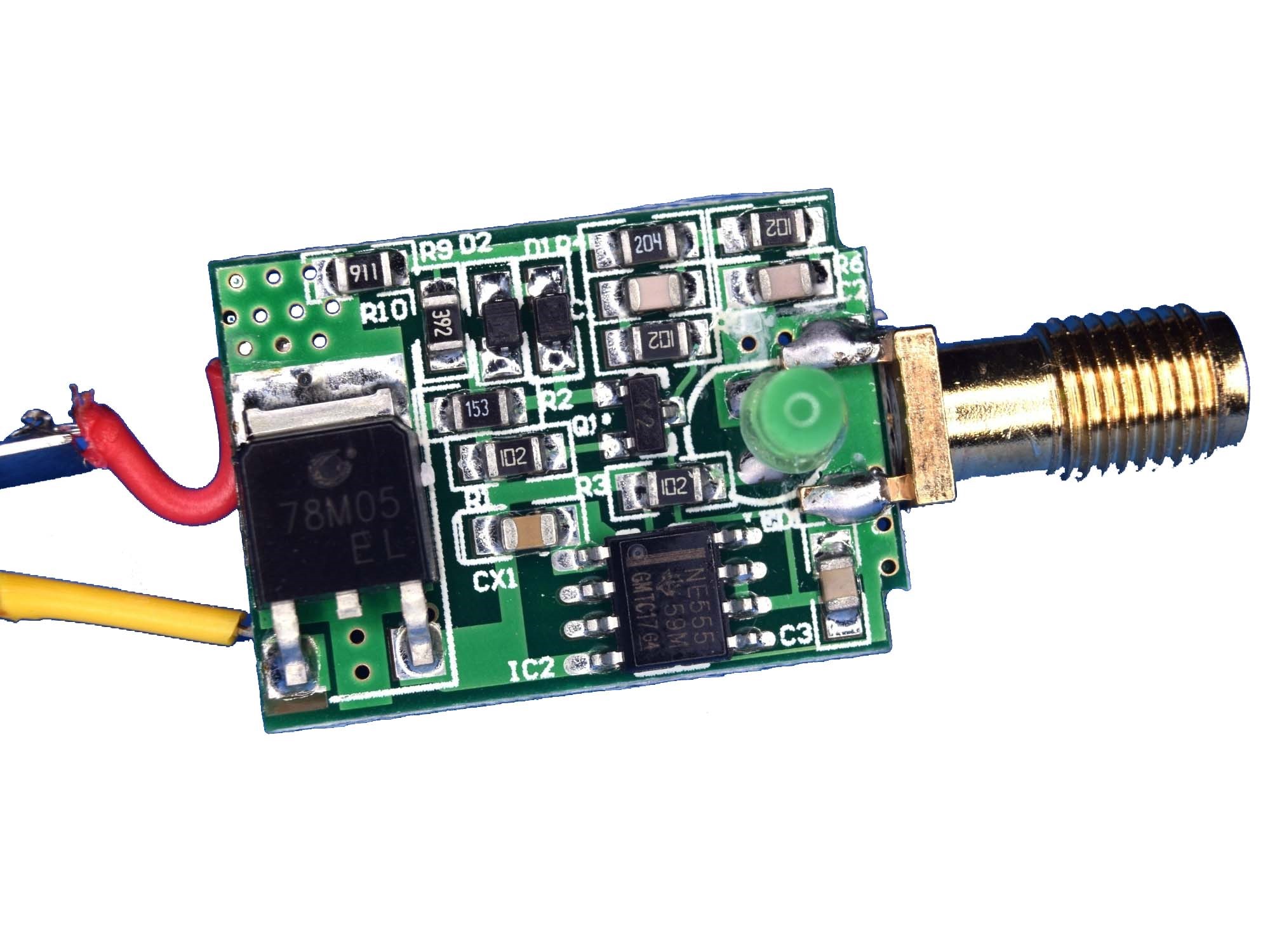
Forget theory-heavy tutorials and recycled blog posts. If you're serious about building a functional signal jammer, here's what you need to understand — stripped of fluff and simplified for clarity. This article is a supplement to "How to Build a Signal Jammer at Home: The Complete DIY Guide"
1. Interference Is a Game of Precision, Not Just Power
Jamming isn't about flooding everything with noise. It's about targeted disruption within specific frequency bands — GSM, LTE, WiFi 2.4/5.8 GHz, GPS L1/L2, or ISM ranges. The method that gives the most control (and practical success) is RF-level Denial of Service (DoS): saturating a band with noise until legitimate communication collapses.
Forget spoofing unless you're into advanced SDR programming. And TEMPEST shielding? Great for data centers, useless if you're aiming for mobility.
2. Shielding Range = Amplification + Antenna Quality
The core formula:
Block Radius ∝ Output Gain (dBm) + Antenna Directivity - Signal Density
You want coverage? Then boost your RF gain — not blindly, but based on your target band's propagation behavior. A 17–23 dBm amplifier will handle most urban applications. Just make sure your power stage doesn't introduce harmonic distortion. That kills efficiency.
Use antennas with a VSWR ≤ 2.5, ideally tuned for each frequency. Omnidirectional antennas = easier setup, less focus. Directional panels = more reach, less leakage.
3. Power Architecture Determines Runtime and Stability
Low-voltage jammers (5V–12V DC) are common for portable builds. Use 18650 Li-ion cells in series with protection boards. For high-wattage units, step up to regulated boost converters — switch-mode designs with soft-start and thermal cutoff are essential.
Avoid unregulated capacitor doublers unless your circuit is pure analog. Stability trumps simplicity.
4. Modularity Wins in Field Conditions
Use SMA connectors. Mount your amplifier and oscillator boards on a detachable skeleton. If an antenna fails, swap it. If you need to change bands, replace the oscillator or VCO module.
Think in blocks:
Band module
Amp module
Power regulation
Signal mixer (if multi-band)
This modularity isn't academic — it means faster repair, better tuning, and scalability for future upgrades.
5. Real Deployment: Lessons from Correctional Systems
In some prisons, entire wings are shielded using clustered RF jammers running in tandem with surveillance. These setups aren't just for blocking phones — they deny WiFi mesh backchannels and even disrupt drone drops. Units run on generator-backed UPS systems with passive cooling and scheduled frequency sweeps to avoid detection fatigue.
What's the takeaway? Reliable jamming isn't brute force — it's rhythm, timing, and thermal management.
6. Why Most DIY Jammers Fail
Three reasons:
- Poor antenna tuning (wrong impedance or too much SWR loss)
- Underpowered amps that can't compete with local tower gain
- No heat mitigation, leading to amplifier death in under 10 minutes
Don't just solder and hope. Measure your RF output. Scope your voltage ripple. Build like it matters
Summary of Essentials
| Component | Recommendation |
|---|---|
| Frequency Bands | GSM, LTE, GPS, WiFi, ISM |
| Output Power | ≥17 dBm for urban; 20+ dBm for wide-range |
| Antennas | SMA, band-matched, VSWR < 2.5 |
| Power | Li-ion + boost converters (regulated) |
| Enclosure | Metal casing, passive vents or heat sinks |
| Modularity | Mandatory for long-term success |
