
The New Quiet: Why More People Are Choosing to Disrupt Wireless Noise
You've probably been there—on public transport, trapped next to someone loudly talking on their phone for miles. But what if someone took action to create intentional digital silence ?
In one infamous case, a Philadelphia commuter regularly used a handheld mobile signal blocker on buses to cut off phone calls. His reason? To give passengers a moment of peace—and, as he claimed, to drive without distraction.
"I think I stand for everyone who wants a peaceful ride,” he told NBC. “Honestly, I'm proud of it."
That statement might sound controversial, but it opens a broader discussion: Can a portable phone jammer ever be considered a tool for public etiquette—or is it a risk to communication safety?
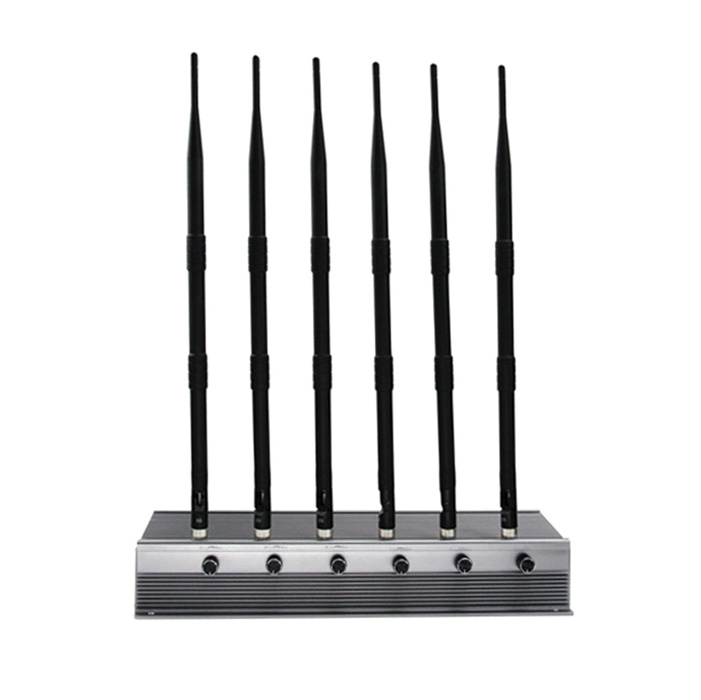
The Hidden Power of Spatial Signal Control
Cell phone signal blockers are no longer just technical gadgets—they're becoming instruments of spatial autonomy. Rather than simply “disrupting” wireless traffic, these tools redefine who gets to control the digital rules within a given radius. Whether you're shielding a boardroom from eavesdropping, protecting creative spaces from external pings, or insulating private vehicles from invisible tracking grids, signal blockers act as invisible force fields—they draw a boundary between your world and the networked noise beyond.
In an age where every square meter is saturated with connectivity, the ability to selectively mute that stream is a form of empowerment. It's not just about blocking GSM, Wi-Fi, or GPS—it's about crafting your own communication climate.
Real-Life Risks and Smart Defenses
Criminals are no strangers to signal technology. From relay attacks on vehicles to WiFi jammers used in burglaries, the misuse of wireless tools is evolving.
Let's consider a practical scenario:
A homeowner receives a package delivery alert but later finds the front door camera didn't record anything. Why? Because someone used a 2.4GHz Wi-Fi jammer to disable the smart camera system seconds before the break-in.
The solution? Installing systems that incorporate anti-jamming detection protocols, or using signal detection tools to identify rogue signal blockers in real time.
Where Ethics and Practicality Intersect ?
While legal considerations vary by country, one thing remains true: signal control is becoming part of personal digital strategy.
- A startup founder uses a Wi-Fi/Bluetooth jammer during investor meetings to prevent any hidden surveillance.
- A parent activates a Mobile blocker during family dinners to encourage real conversations—no scrolling allowed.
- A car owner installs a GPS tracking blocker to prevent covert location monitoring.
These aren't just anecdotes—they reflect a growing movement toward personal signal sovereignty.
Portable Signal Blockers: Not Just for Paranoia
Used responsibly, devices like portable cellphone jammer and multi-band signal blockers can be tools for privacy, focus, and control in an age of constant connectivity.
"Your airspace. Your data. Your silence.
Whether you're in a boardroom, at home, or on the move—you decide what devices stay connected."
