
When Silence Wins: How a Small Theater Used a Signal Jammer to Save the Show
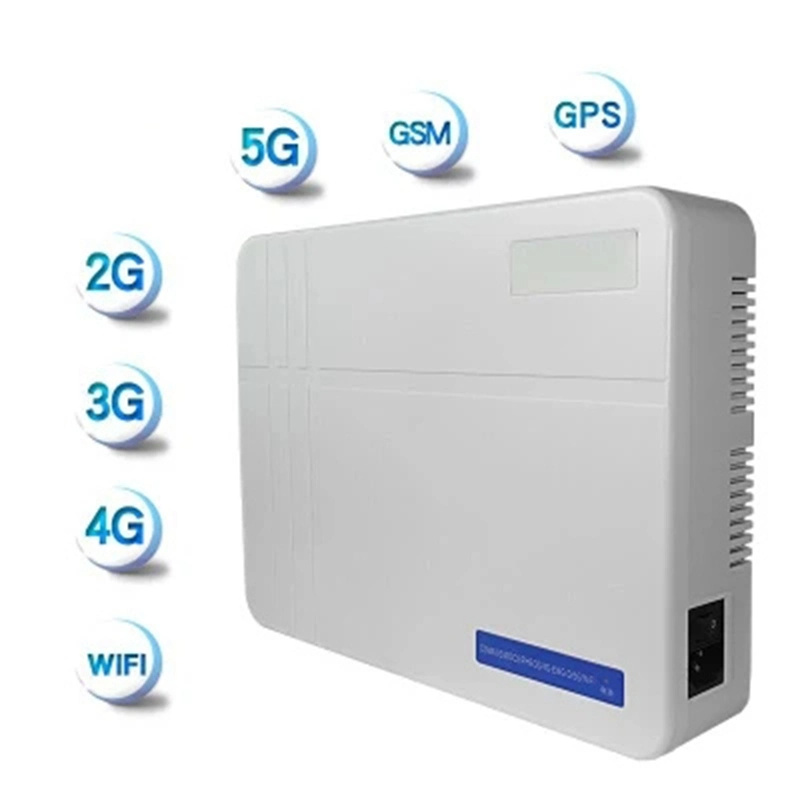
On a rainy Friday night in 2019, the historic Riverside Theater in a small U.S. city made a bold decision. To preserve the immersive atmosphere of a world-famous classical performance, the management quietly activated a mobile cell jammer minutes before the curtain rose.
The result?
For the first time in years, not a single ringtone, notification ping, or glowing screen distracted the audience. The music filled the room without interruption. But as the curtain fell, the applause was followed by a heated debate: Had the theater gone too far?
Some praised the move as visionary—“Finally, we can enjoy art without digital noise.” Others called it intrusive—“What if there had been an emergency?” The local newspaper ran headlines for weeks. And yet, ticket sales went up for the next three shows.
Why This Story Matters ?
The Riverside Theater incident wasn't about art alone—it revealed a deeper truth about our relationship with connectivity. Signal Blockers have been around for decades, but their modern use is no longer just about security or privacy. Today, they're becoming tools for curating experiences.
From schools preventing exam cheating, to corporate boardrooms shielding confidential talks, to restaurants creating phone-free dining zones, the conversation has shifted. The question isn't just “Can we block signals?”—it's “When should we?”
Everyday Spaces, Extraordinary Impact
Here are three modern civilian scenarios where signal jammers are quietly changing the rules:
- Exam Halls – In some Asian and Middle Eastern schools, Exam Room signal Blockers ensure fairness during high-stakes tests. No last-minute “Google answers” under the desk.
- Film Sets – Directors use portable cell phone Jammer to prevent plot leaks. No behind-the-scenes selfies hitting social media before the movie's release.
- Mindful Cafés – Trendy spots in Europe and North America now use low-power jammers to create “digital detox” spaces, offering customers a rare pocket of peace.
The Trade-Offs We Can't Ignore
While signal jammers can create focused, distraction-free environments, they also raise questions:
What about emergency calls ?
Who decides when blocking is justified ?
Could the same technology be misused ?
In the Riverside Theater case, management later installed an emergency override system—allowing signals to pass through if the fire alarm or security system was triggered. That compromise kept both the music lovers and safety regulators happy.
That Friday at the Riverside Theater, the chatter afterward was about the encore and the lighting—not about missed calls or buzzing notifications. A few people admitted they’d almost forgotten their phones were with them. In a city where glancing at a screen is second nature, two hours of uninterrupted focus felt oddly refreshing. For some, it was simply a better show; for others, a reminder that a little enforced quiet can change the way an evening unfolds.
