
Cutting the Signal, Not the System: The New Discipline of Cellular Jamming
Phones negotiate with towers every few milliseconds. Wearables ping health data to remote servers. Vehicles talk to intersections. Even elevators whisper diagnostic codes to service centers.
In this dense electromagnetic fog, a cellular signal jammer is not just a switch that cuts the noise. It's a scalpel.
When Silence Is a Security Requirement
There are rooms where phones aren't just a distraction — they're a liability.
In a merger negotiation, an unsecured handset can turn a handshake into a leak. How to Keep Business Conversations Secure – Without Guesswork
In a forensics lab, a stray upload can compromise an entire case.
At a fuel depot, a misfired text from a nearby handset could trigger more than gossip.
Here, controlled interference is not an inconvenience. It's an insurance policy.
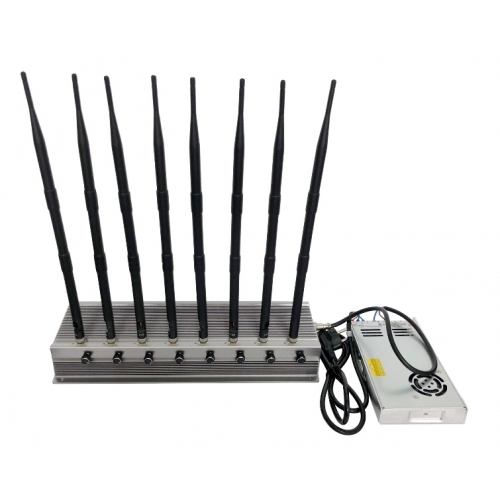
5G Has Changed the Game
With 5G, blocking isn't about one signal anymore. A single handset may shift between multiple bands in seconds.
Blocking now demands multi-band synchronization — cutting LTE here, muting NR there — without killing the Wi-Fi that runs the building's own systems.
It's interference without collateral damage. The difference between pulling the fire alarm and quietly locking one door.
Deployment Is an Art, Not a Checkbox
The most effective installations start with a signal map, not a power switch.
- Urban high-rise: The threat comes from rooftop base stations. The solution? Directional antennas aimed like searchlights.
- Rural perimeter: The problem is distance, not density. Wide-beam coverage beats surgical targeting.
- Multi-floor facilities: Start high, work down. Signals fall faster than they rise.
Each site is a puzzle. And each jammer is a custom-fit piece.
The Architecture of Intelligent Interference
Modern jammers are not a wall; it's a filter with intent. The most effective systems operate like traffic controllers, not bulldozers — rerouting, slowing, or halting data streams based on who's sending, where it's going, and when it's happening.
In practice, this means a jammer can:
- Quarantine unverified devices while letting authorized channels flow freely.
- Throttle rather than kill, creating controlled degradation instead of blind blackout.
- Shift its target bands dynamically as devices hop frequencies to evade detection.
This is no longer about “switch on, block all.” It's about negotiating with the spectrum in real time, shaping the signal space so that what must remain silent, stays silent — and what must work, keeps working.
The most effective signal blocker doesn't just stop communication. It decides what stops, where, and for how long. In an overconnected world, that precision isn't a luxury. It's survival.
