
Crimea Bridge Blast Exposed a Hidden Threat: Wireless Vulnerability in Critical Infrastructure
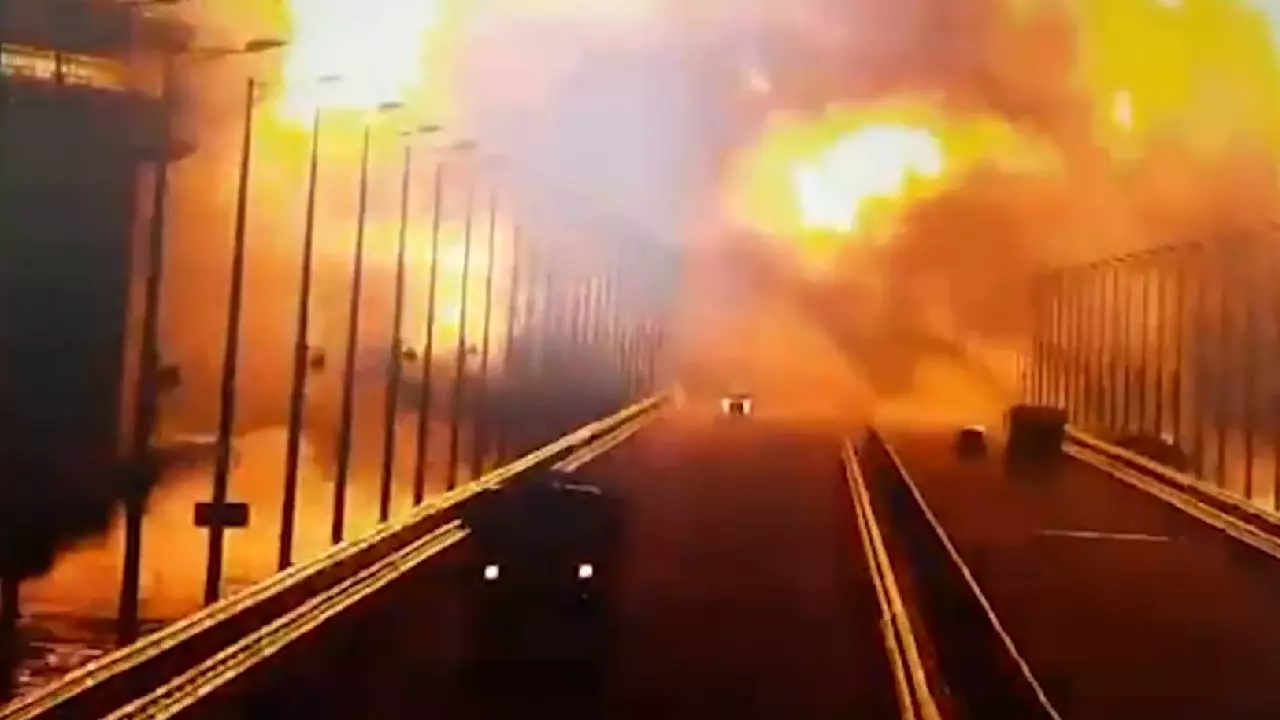
In October 2022, the Crimea Bridge was hit by a powerful explosion that halted traffic and disrupted a key supply route. The damage was more than physical—it exposed a blind spot in modern infrastructure: wireless vulnerability.
The bridge wasn't taken out by aircraft or a missile barrage. Instead, the method pointed to precise coordination, possibly involving remote triggering, GPS tracking, or electromagnetic manipulation. That's what makes this case relevant far beyond wartime Russia.
Infrastructure Now Runs on Wireless—and That's a Risk
Bridges, tunnels, ports, and logistics hubs increasingly rely on GPS timing, wireless monitoring, and remote control systems. This makes them faster, smarter—and easier to target.
Security analysts believe wireless signals are now among the most overlooked attack vectors. Before any visible threat, there's often unusual signal activity:
Persistent GPS tracking of vehicles or cargo
RF-triggered devices planted in accessible areas
Spoofing attacks misleading smart transport systems
Surveillance drones gathering layout or timing data
Once such vulnerabilities are mapped, even a small coordinated action—like the one suspected in Crimea—can cause outsized disruption.
What the Experts Say ?
Technical consultants at Jammermfg.com emphasize the importance of identifying RF risk zones around infrastructure. Their work involves:
- Reviewing signal dependencies in control systems
- Advising on GPS overexposure in supply chains
- Suggesting temporary signal suppression protocols during high-risk windows
The goal isn't to interfere—it's to stay aware of what signals your infrastructure is constantly sending and receiving.
After Crimea: A Pattern Emerges
Since the bridge incident, similar signal-related anomalies have been reported near military zones, airports, and key logistics routes across Europe and the Middle East. These aren't isolated. They suggest a shift in tactics:
"Cutting off a road or disabling a drone no longer requires explosives—sometimes, all it takes is controlling the signal."
The Crimea Bridge attack was a physical event with a digital prelude. The lesson is clear: infrastructure is not just steel and concrete—it's also signals, timing, and data.
Before investing in more walls or guards, it may be worth asking:
Which part of your operation is already exposed—without you noticing?
