
When the Sky Lies: How Drone Signal Attacks Disrupt Urban Traffic Systems
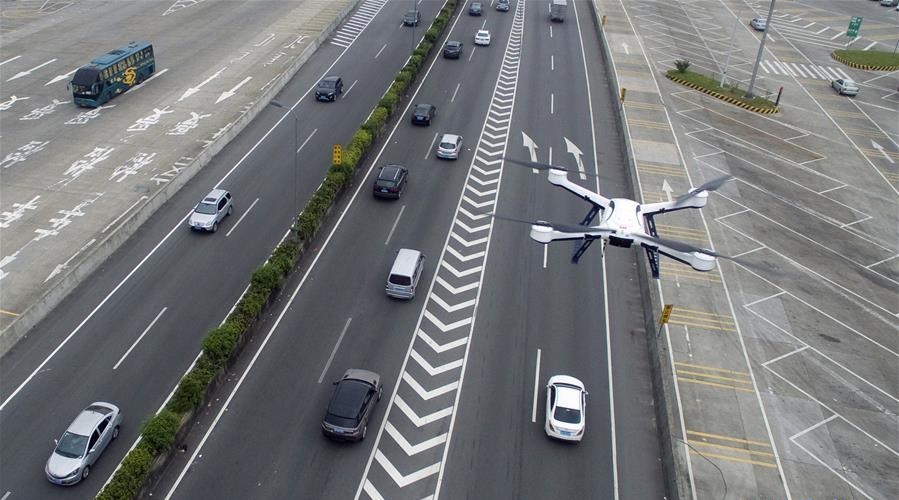
Drones have become essential tools in modern traffic management—monitoring roads, supporting accident response, and gathering real-time data. But as their role expands, so does the risk of signal interference. What happens when the "eyes in the sky" lose control? The answer poses a critical challenge for urban mobility systems.
Why Interfering with Traffic Drones Is a Growing Concern ?
Jamming technologies, originally used for security or defense, are now affecting civilian drone operations—often unintentionally. In critical zones, high-power Jamming devices may block all nearby drone signals, disrupting not only unauthorized aircraft but also traffic drones used for accident mapping, congestion detection, and incident response.
These drones form a crucial layer of urban situational awareness. Blocking their signals risks losing access to aerial visibility, especially during emergencies.
Three Emerging Trends in Drone Interference and Countermeasures
1. Secure Flight Zones with Anti-Jamming Protection
Cities are now developing encrypted drone corridors—airspace where only pre-registered drones can operate using verified communication protocols and redundant GPS systems. This reduces the risk of interference from generic jammers.
2. AI-Based Interference Detection
Advanced UAVs are equipped with onboard systems that detect unusual signal patterns. If control or navigation data is compromised, the drone can automatically switch modes, initiate safe landing, or alert ground systems through emergency backup channels.
3. Temporary Signal-Control Zones
In large-scale events or emergencies, authorities may deploy targeted jamming zones to prevent unauthorized surveillance or flight. The challenge is ensuring these zones don’t interfere with law enforcement or rescue drones that rely on the same airspace.
Building Signal Resilience into Urban Traffic Infrastructure
Today’s traffic operations rely on drone-collected aerial data—from heat maps of vehicle flow to real-time crash detection. A single jamming event can blind this entire layer of the system.
Cities are responding by shifting from merely using drones to actively managing aerial security, with a few key strategies:
- Signal authentication protocols to distinguish between authorized and spoofed drone
- Real-time detection of interference sources to shut down rogue signal
- Integration with centralized traffic platforms for secure, coordinated drone deployment
How Interference Is Driving System Upgrades ?
Every interference attempt becomes a stress test for the traffic system. The long-term solution lies in proactive design:
- Upgrade traffic drones with jam-resistant protocols and encrypted data links
- Designate dedicated frequency bands for public drones to reduce cross-interference
- Combine ground radar systems with aerial telemetry for cross-verification
Ultimately, signal integrity is becoming just as critical as traffic efficiency in smart city planning.
