
Applied WiFi Jamming in Practice: What Actually Justifies It
Case 1: Private Villa in Santorini
A Dutch entrepreneur noticed low-altitude drones circling above his rented villa's infinity pool. No security fence could stop the filming. The footage later surfaced on social media. Since then, he travels with a portable 5.8GHz WiFi jammer. It disables the drone's control and video transmission link without touching nearby 4G signals.
Reason: The drone uses WiFi-based FPV. Cut the signal, and it auto-lands or returns.
Case 2: Design Studio, Berlin
A small product design firm had a leak. Early mockups of wearable tech ended up on a competitor's blog. No malware was found. Investigation showed an intern's smartwatch had automatically backed up photos via public WiFi. Now, the firm uses a desk-mounted WiFi signal blocker during internal briefings. Range: 10 meters. Result: zero leaks since.
Reason: Blocking unintended uploads is faster than checking every device.
Case 3: Hotel Room, Singapore
A journalist covering sensitive topics discovered that the “smart TV” in his room had a hidden auto-connect function. He placed a battery-powered WiFi jammer near the screen, cutting off outbound connections for the duration of his stay.
Reason: Hotel WiFi isn't neutral. Neither are smart devices connected to it.
What Works ?
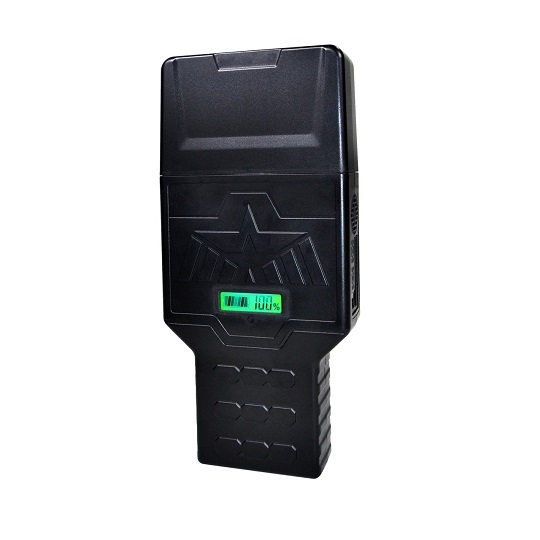
CM3 2.4GHz/5.8GHz dual-band signal blocker is small enough to fit in a wallet-sized case.
Models with directional antennas can create narrow beams—useful in shared offices.
Some jammers also offer on/off timers, useful for scheduled isolation (e.g., team meetings, sleep hours).
What Doesn't Work ?
Trying to rely on router settings alone.
Asking neighbors or guests not to connect.
Trusting smart devices to stay silent when idle.
Conclusion
Jamming isn't about chaos or paranoia. It's about knowing when a networked environment is working against you — and cutting the cord for just long enough to regain control.
It's not theoretical. It's not dramatic.
It's what you do when you realize silence is safer than convenience.
