
How Police Used Drone Jammers to Enforce Airspace Security at the Mandalika WSBK
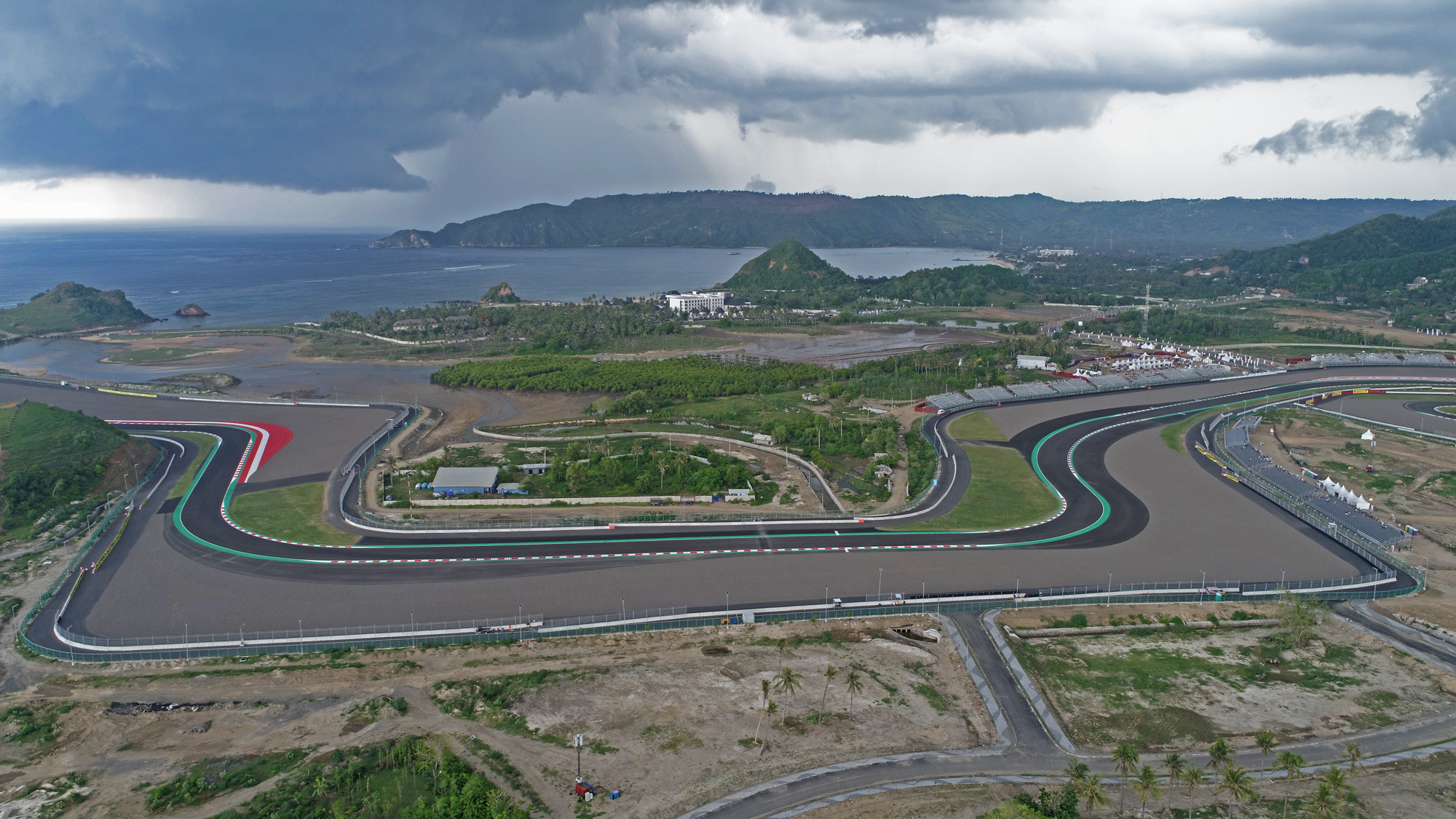
When the World Superbike (WSBK) Championship hit Mandalika in 2022, the stakes weren't just on the racetrack—they were also in the air. Unauthorized drones posed a threat to pilot safety, broadcast rights, and track operations. In response, the West Nusa Tenggara (NTB) Police, supported by Indonesia's National Police Headquarters, deployed real-time drone suppression tactics using RF-based drone signal jammers.
"All civilian drone activity was strictly prohibited over the Mandalika circuit during the international event."
How the NTB Police Neutralized Rogue UAVs ?
To prevent aerial intrusions, two mobile anti-drone units were placed on standby throughout the event perimeter. Their mission: detect, intercept, and disable any unauthorized UAVs in protected airspace.
Once a suspicious drone entered the no-fly zone:
The drone jammer locked onto its control frequency, typically 2.4GHz or 5.8GHz.
The drone was forced into emergency descent mode, triggering its automatic landing protocol.
Coordinates of the drone's operator were triangulated, thanks to jammer-side telemetry feedback.
"The first and second drone violations received a forced descent and a formal warning," said Kombes Pol Artanto, NTB Police's Head of Public Relations. "But from the third offense onward, the UAV is confiscated and the operator faces legal consequences."
Why This Case Matters in 2025
With drone technology increasingly used for spying, data interception, and unauthorized media capture, events like Mandalika highlight how RF jamming is becoming a standard layer in public safety and digital rights enforcement.
Whether it's preventing live-streaming from restricted zones, stopping aerial espionage over VIP areas, or securing event integrity, the Mandala case is a blueprint for how drone UAV Jamming device should be deployed: precisely, legally, and only when justified.
